


PHONE NUMBER :

1300 769 620

EMAIL ADDRESS :

servicedelivery@homecareaustralia.com.au

Understanding Delirium in the Elderly: Dangers, Symptoms, and Prevention Tips

Understanding Delirium in the Elderly Dangers, Symptoms, and Prevention Tips

Delirium is a serious condition that affects many elderly people, often leading to confusion, disorientation, and changes in their usual cognitive function. It is a medical emergency that can significantly impact a person’s health and quality of life. For families and caregivers of elderly individuals, understanding the symptoms of delirium and how to prevent it is crucial in maintaining their safety and well-being.

What is Delirium?

Delirium is a sudden, severe confusion that can affect older adults, often occurring in response to an underlying medical issue, such as an infection, medication side effects, or dehydration. Unlike dementia, which is a chronic and progressive condition, delirium is typically reversible if diagnosed and treated promptly. However, if left untreated, delirium can lead to longer-term complications and even death, especially in the elderly.

Delirium can happen in various settings, but it is most commonly observed in hospitals, nursing homes, or during hospital admissions. Elderly people are particularly vulnerable due to factors like multiple medications, existing health conditions, and changes in their environment.

Symptoms of Delirium

Recognising the signs of delirium in elderly people is crucial for early intervention. Some common symptoms include:

  1. Confusion or Disorientation: One of the first signs is a sudden change in mental clarity. A person may not recognise familiar faces, places, or surroundings.
  2. Inability to Focus or Pay Attention: People with delirium may find it difficult to stay focused on tasks or conversations. They may become easily distracted or unable to follow instructions.
  3. Disrupted Sleep Patterns: Delirium often causes changes in the sleep-wake cycle, with individuals becoming either overly drowsy or more awake than usual.
  4. Hallucinations and Delusions: Individuals may see, hear, or believe things that aren’t there, leading to feelings of fear or paranoia.
  5. Rapid Mood Changes: The person may experience extreme swings in mood, including agitation, irritability, or feelings of euphoria.
  6. Memory Problems: Short-term memory can become impaired, and individuals may forget things they just learned or experienced.

While these symptoms can be alarming, they are often temporary if the underlying cause is identified and treated quickly.

The Dangers of Delirium in the Elderly

Delirium is particularly dangerous for older adults, as it can lead to a range of serious complications:

  1. Increased Risk of Long-Term Cognitive Decline: Studies have shown that older people who experience delirium are at a higher risk of developing long-term cognitive problems, including dementia.
  2. Falls and Injuries: Delirium often causes confusion and difficulty in walking, which increases the risk of falls. This can lead to fractures, bruises, or even more serious injuries.
  3. Prolonged Hospital Stays: Delirium can make it more challenging for elderly people to recover from surgery or illness, potentially leading to longer hospital stays and complications during recovery.
  4. Worsening of Existing Health Conditions: Delirium can exacerbate pre-existing conditions, such as heart disease, respiratory issues, or infections, making treatment more complicated.

As a result, early detection and management are critical to preventing these dangerous outcomes.

Causes of Delirium in Older Adults

Delirium is often caused by multiple factors working together. Some of the most common causes include:

●       Infections: Urinary tract infections (UTIs), pneumonia, and other infections are common triggers for delirium in the elderly.

●       Medication Side Effects: Many medications, especially those prescribed for multiple health conditions, can contribute to delirium. Pain medications, sleeping pills, and antidepressants are often culprits.

●       Dehydration and Malnutrition: Lack of hydration and poor nutrition can lead to cognitive impairment, making elderly individuals more vulnerable to delirium.

●       Surgery or Trauma: Hospitalisation, especially following surgery, can trigger delirium. It’s important to monitor elderly patients after surgery closely for signs of confusion or disorientation.

●       Environmental Changes: A sudden change in environment, such as moving into a new living situation or a hospital, can be a shock to the system, especially if the individual is already experiencing health challenges.

How to Prevent Delirium in the Elderly

While not all cases of delirium can be prevented, there are several steps that caregivers and family members can take to reduce the risk:

  1. Ensure Proper Hydration and Nutrition: Dehydration and malnutrition are common causes of delirium. Ensure that your elderly loved one has access to regular, balanced meals and sufficient fluids throughout the day.
  2. Monitor Medications Closely: Work with healthcare providers to review medications regularly. Be aware of any potential side effects or interactions that could increase the risk of delirium.
  3. Encourage Physical Activity: Gentle exercises, such as walking or stretching, can help maintain mobility and reduce the risk of delirium, particularly after surgery or hospital stays.
  4. Maintain a Familiar Environment: Try to reduce sudden changes in routine. Keeping the home environment familiar and calm can help prevent confusion and agitation in elderly individuals.
  5. Promote Mental Stimulation: Keep the mind active with activities like reading, puzzles, or conversations. This helps reduce the risk of cognitive decline and can keep the brain sharp.
  6. Monitor Sleep Patterns: Ensure your loved one gets enough sleep, and try to maintain a consistent sleep schedule. Poor sleep is a known risk factor for delirium.
  7. Early Detection and Medical Intervention: If you notice any signs of confusion or changes in behaviour, contact a healthcare provider immediately. Early intervention can help prevent the escalation of delirium.

Changes in awareness and alertness are key signs of delirium in older people.

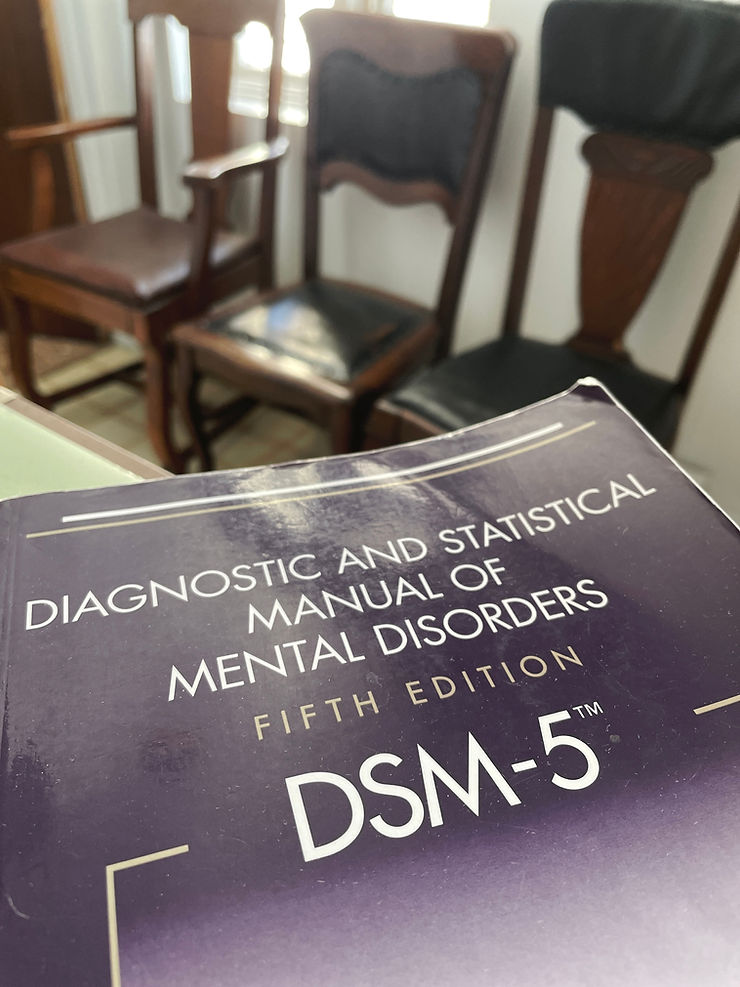
When someone experiences delirium, it’s often because their brain is reacting to an acute illness — which is why it’s considered a medical emergency. The latest medical guidelines (DSM-5) describe this as a change in a person’s attention. It’s important to understand that attention reflects what someone is focused on (the content of their thoughts), while arousal reflects how awake or alert they are. A person must be alert enough (aroused) before we can assess their attention properly. Low levels of alertness are linked to poorer health outcomes, making early recognition and support essential.
Conclusion

Delirium is a serious condition that can have a significant impact on the elderly, leading to confusion, physical harm, and long-term cognitive decline if not addressed promptly.

By understanding the symptoms, causes, and preventative measures, caregivers and family members can play a critical role in safeguarding their loved ones’ health. Always remember, if you notice signs of delirium in an elderly person, seek medical advice right away. Delirium can be a medical emergency, but with the right care and attention, the risk of serious complications can be significantly reduced.

Facebook
LinkedIn
Email
Picture of Author: Brittany Price

Author: Brittany Price

Lorem ipsum dolor sit amet consectetur adipiscing elit dolor

Leave a Reply

Your email address will not be published. Required fields are marked *

Taylah Huntington

Case Manager

Taylah Huntington is a dedicated and compassionate Case Manager based on the Central Coast, bringing extensive hands-on experience across disability support, aged care, and community services.


Taylah has built a strong foundation working as a Disability Support Worker with both CatholicCare Diocese of Broken Bay and Trilogy Disability Services, where she currently supports individuals to live more independent, meaningful lives. Her previous role as a Support Coordinator with Sunnyfield Disability Services saw her develop strengths in client documentation, care planning, and stakeholder communication, while consistently advocating for improved client wellbeing and safety.


With a career that began in aged care and personal support, Taylah has developed a deep understanding of person-centred care. Her experience spans assisting with daily living, implementing behaviour support strategies, coordinating services, and fostering community engagement. She is known for her ability to build genuine relationships with clients, families, and stakeholders, ensuring support is tailored, respectful, and outcomes-focused.


Taylah is currently furthering her professional development through a Certificate IV in Leisure and Health, complementing her practical experience with formal training. She is highly organised, detail-oriented, and brings strong administrative and problem-solving skills to her role.


As a Case Manager, Taylah is committed to delivering high-quality, relationship-based support that empowers individuals to achieve their goals and enhance their quality of life.


Lisa Bycroft

Care Partner

Lisa is an experienced Care Partner at HomeCare Australia, supporting clients across Lake Macquarie, Newcastle, and the Hunter. With over 20 years in aged care and disability services, Lisa is known for her calm leadership, person-centred care, and deep empathy.

Her career includes frontline care, case management, and regional operations leadership with providers such as Mercy Services and integratedliving. She has coordinated services across CHSP, HCP, and NDIS programs and is particularly skilled in dementia-specific care and behaviour support.

Lisa builds strong relationships with clients and care teams alike. She empowers care workers through mentoring and hands-on support, ensuring services are respectful, flexible, and aligned with client goals.

Her qualifications include Certificate IV in Service Coordination (Ageing & Disability), Certificate IV in Leisure and Health, and Certificate III in Aged Care. She also holds credentials in medication management, dementia care, infection control, and behavior support. Lisa maintains First Aid, NDIS Worker Screening, and Working with Children Checks.

At HomeCare Australia, Lisa supports people with high and complex needs, assists with transitions to Support at Home, and ensures care plans reflect dignity and choice. Her calm presence and strong values make her a trusted guide for clients and a leader among peers.

Patricia

Roster Team Leader

As a Roster Manager, I specialize in creating efficient and effective schedules that keep our team running smoothly and ensure the highest quality of care for our clients. My goal is to optimize operations, support our incredible staff, and contribute to seamless service delivery.

My diverse career journey—from brewing the perfect cup of coffee as a barista to coordinating campaigns as a marketing administrator and ensuring compliance as a KYC agent—has given me a unique skill set. I bring adaptability, precision, and

a customer-focused mindset to everything I do, qualities that align perfectly with HomeCare Australia’s commitment to excellence.

Outside of work, I’m a passionate reader, a foodie at heart, and an avid fan of K-dramas and binge-worthy series. I also love attending K-pop concerts, where I get to immerse myself in the electrifying energy of live performances.

With a blend of professional expertise and a vibrant personal life, I strive to bring energy, focus, and dedication to my role every day, ensuring our team and clients receive the best possible support.

Sandra Hilton

We’re excited to introduce Brittany, one of our compassionate and highly skilled Aged Care Case Managers at HomeCare Australia. Brittany brings a wealth of knowledge and experience to her role, having worked in the community services industry since 2019. Her strong academic background includes a Bachelor’s degree in Communication, a Diploma of Community Services, and additional certifications in Mental Health First Aid, Applied Suicide Intervention, and Naturopathy.

Brittany’s diverse qualifications—combined with her Certificates 3 and 4 in Fitness—enable her to take a holistic and personalized approach to supporting clients in achieving their goals and maintaining independence.

Originally from a farm outside of Tamworth, Brittany grew up riding horses and caring for an array of animals, which instilled in her a deep sense of responsibility and compassion. Today, she shares her life with her partner, their lively one-year-old daughter, and their playful border collie.

Brittany is passionate about personal growth, journaling, neuroscience, and living a balanced, low-tox lifestyle. She thrives on creating meaningful connections with her clients, helping them navigate their aged care journey with kindness, empathy, and expert guidance.

Her approachable nature, love of gardening, and belief in the importance of protecting your energy ensure that she brings warmth and positivity to every interaction. Whether she’s coordinating services or simply sharing a light-hearted moment (along with her signature “funny” jokes), Brittany is dedicated to providing the highest standard of care and support.

We’re confident that Brittany’s expertise and genuine care will make her an invaluable partner in helping you or your loved one live comfortably and independently at home.Sandra Hilton is a highly experienced aged care and disability professional with over 24 years of progressive leadership across frontline care, administration, and executive management. Throughout her career, Sandra has built a strong reputation for guiding individuals and families through complex care systems with empathy, clarity, and professionalism.


Sandra’s expertise spans client admissions, care navigation, workforce coordination, and regulatory compliance. She has an exceptional ability to translate complicated funding structures, including aged care reforms and NDIS requirements, into clear, practical guidance for clients and their families. Her person-centred approach ensures that every individual receives the support, dignity, and advocacy they deserve.


In her most recent role as Customer Admissions Manager, Sandra played a key role in supporting residents and families through the aged care journey. She managed enquiries, conducted assessments, facilitated tours, and led contract negotiations, all while building trusted relationships with hospitals, clinicians, and community partners. Her ability to balance compassionate care with strong commercial and operational outcomes has consistently contributed to improved occupancy and client satisfaction.


Sandra’s earlier leadership roles further demonstrate her depth of experience. As an Employee Support Manager and Cluster Manager, she oversaw workforce compliance, recruitment, training, and quality improvement initiatives across multiple services. She has a strong track record in team leadership, risk management, and creating supportive environments for both clients and staff.


Known for her integrity, attention to detail, and calm, solutions-focused approach, Sandra excels in high-pressure environments where clear communication and decisive action are essential. She is highly skilled in stakeholder engagement and has worked collaboratively with families, clinicians, government agencies, and multidisciplinary teams throughout her career.


Sandra is passionate about improving access to care and empowering people to make informed decisions about their support. Her commitment to excellence, combined with her deep industry knowledge, makes her a valuable asset to any organisation dedicated to delivering high-quality, person-centred care.


Jo Townsend

Care Coordinator
Jo Townsend is a dedicated and compassionate Care Coordinator with extensive experience supporting older Australians to live independently and with dignity in their own homes. With a strong commitment to person-centred care, Jo brings a thoughtful, empathetic approach to every client interaction, ensuring individuals and their families feel supported, informed, and empowered.Since transitioning into the aged care sector in 2017, Jo has developed deep expertise in coordinating Home Care Packages and Support at Home services. She works closely with clients to develop tailored care plans, manage individual budgets, and coordinate multidisciplinary supports that enhance wellbeing, independence, and quality of life. Jo is highly skilled in navigating the aged care system, advocating for her clients, and ensuring they receive the services and outcomes they deserve.In her current role, Jo coordinates day-to-day care delivery, collaborates with allied health professionals, and supervises support teams to ensure consistent, high-quality care. She is known for her ability to build strong, trusting relationships with clients, families, and service providers, while effectively resolving concerns and adapting to changing care needs.Jo’s earlier career in quality assurance and management within the food industry has provided her with a strong foundation in compliance, audit processes, and continuous improvement. This experience translates into a highly organised, detail-oriented approach to care coordination, with a strong focus on meeting Aged Care Quality Standards and maintaining best practice at all times.Known for her professionalism, adaptability, and calm problem-solving approach, Jo thrives in dynamic environments where client needs can change quickly. She is equally effective working independently or as part of a multidisciplinary team, always prioritising the dignity, safety, and wellbeing of those she supports.Jo is passionate about empowering individuals to make informed decisions about their care and is committed to delivering services that promote independence, inclusion, and quality of life.

Sheryll

Foundational Member of HomeCare Australia

Sheryll has been an integral part of HomeCare Australia since the very beginning, bringing her wealth of experience and unwavering dedication to our team. As a seasoned accountant and bookkeeper with over 18 years of expertise, Sheryll’s meticulous attention to detail and commitment to excellence have been pivotal in supporting the success and growth of our organization.

A proud mother of four, Sheryll balances her professional responsibilities with her vibrant family life. Her warmth and organizational skills extend beyond the office, where she is known for her love of baking and cooking—delighting friends and family with her culinary creations.

Outside of work, Sheryll embraces life with enthusiasm. She enjoys traveling and exploring new places, channelling her creativity into crocheting unique items, and playing the guitar during her downtime. Whether she’s embarking on outdoor adventures or sharing stories with loved ones, Sheryll brings energy, joy, and a sense of purpose to everything she does.
As one of our longest-standing team members, Sheryll’s dedication, expertise, and passion continue to be an inspiration to